
A Practical Cloud Cost Optimization Checklist
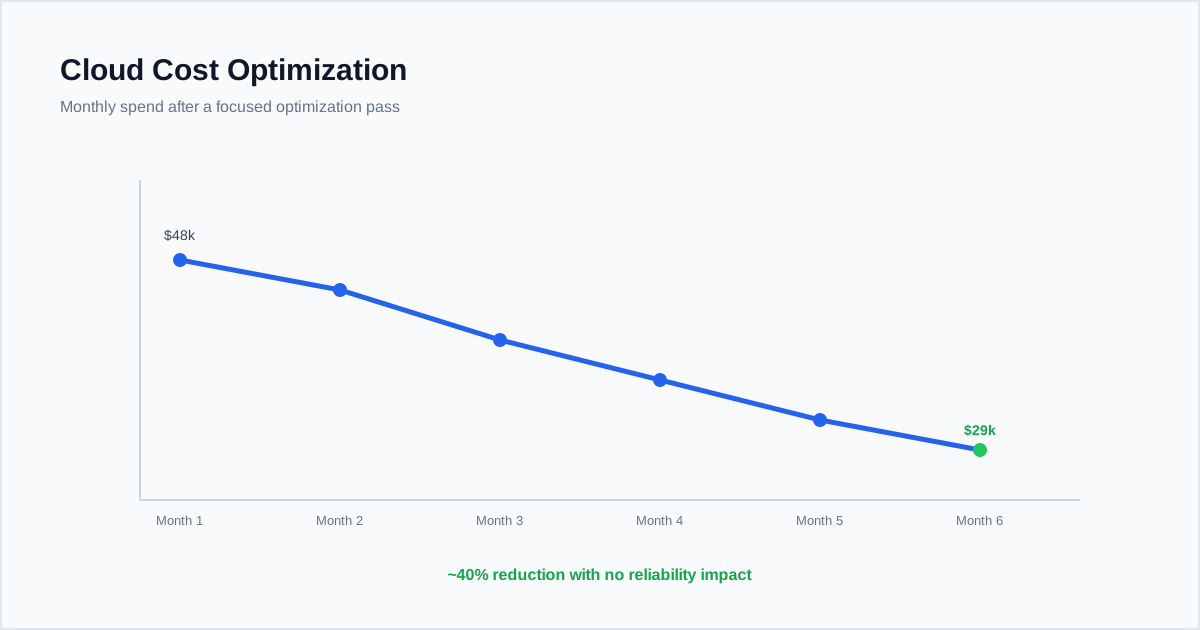
Cloud costs creep up quietly — unused resources, oversized instances, and forgotten environments add up fast. A regular cost audit is one of the highest-leverage engineering activities a team can do.
Start with right-sizing: most workloads run comfortably at 40-60% lower instance sizes than initially provisioned, especially after the first few months in production.
Where the Spend Actually Goes
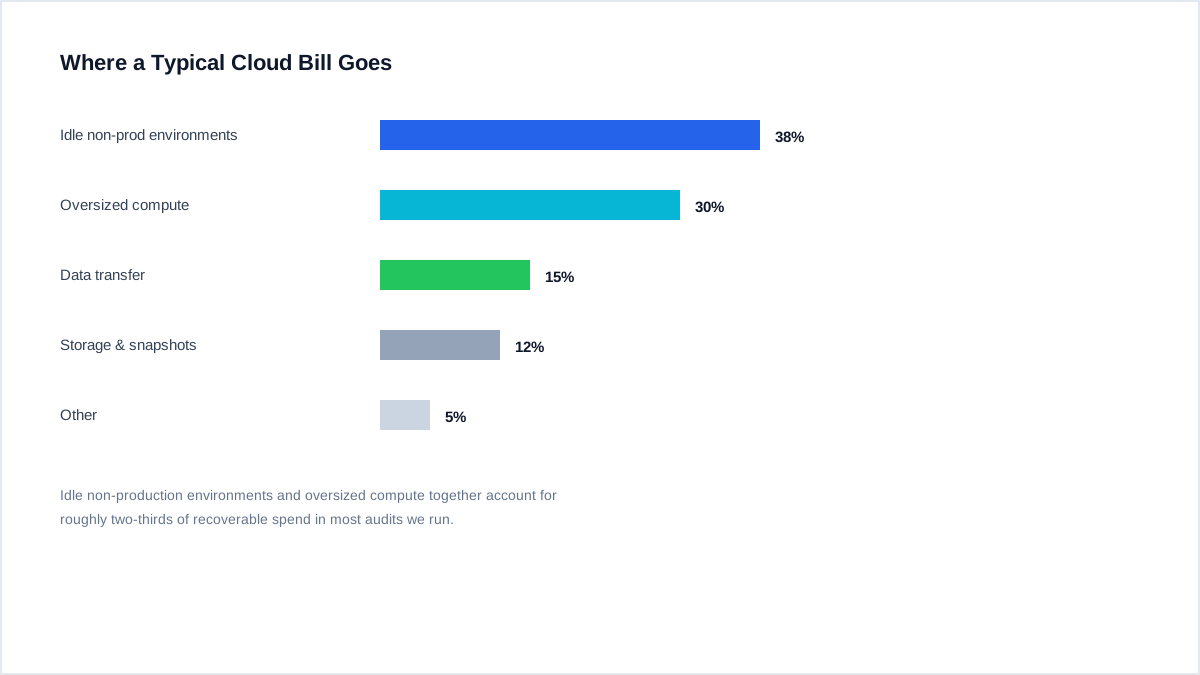
Next, look at storage lifecycle policies, reserved instance or savings plan coverage, and idle non-production environments that can be scheduled to shut down outside business hours. In audits we've run, staging and QA environments left running 24/7 routinely account for 15-20% of total spend for no benefit — nobody is testing at 2 a.m.
Data transfer costs are the most commonly overlooked line item. Cross-region traffic between services that could sit in the same availability zone, or serving static assets directly from origin instead of a CDN, both quietly inflate bills that look fine on the compute line.
Make Cost a Continuous Conversation
Finally, invest in cost observability dashboards so cost conversations happen continuously, not just during a painful quarterly review. Tagging resources by team and environment from day one turns a vague "the AWS bill is high" into an actionable "team X's staging cluster is 30% of the increase."
A checklist we walk through with every client: audit unattached volumes and unused load balancers, right-size compute against actual utilization (not peak), move cold storage to lower-cost tiers, schedule non-production shutdowns, and set budget alerts before the invoice arrives rather than after.